





Open Schooling Admission 2026 gives learners a flexible way to continue their education. Whether you want to complete Class 10, Class 12, ECCE, Skill and Vocational, or Paramedical programs, open schooling can help you reach your educational goals. In addition, it allows you to study at your own pace and learn according to your schedule.
However, many students face challenges that make regular schooling difficult. For example, financial problems, family responsibilities, work commitments, health issues, or gaps in education can interrupt learning. Fortunately, open schooling offers a simple solution. As a result, students can continue their studies while managing other responsibilities. Therefore, it has become a popular choice for school dropouts, working professionals, homemakers, sportspersons, and adult learners.
Moreover, open schooling does more than help students complete their education. It also creates opportunities for higher studies, skill development, professional certifications, and career growth. To support these goals, ODLC offers flexible learning programs through open, distance, blended, and technology-enabled education systems. Therefore, if you plan to continue your studies in 2026, understanding the admission process, eligibility requirements, and available programs can help you take the next step toward a brighter future.
What is Open Schooling?
Open schooling is a flexible way of learning that allows students to study outside a traditional classroom. Unlike regular schools, it gives learners the freedom to study at their own pace. In addition, students can continue their education while managing work, family, or other personal responsibilities. As a result, they can achieve their educational goals without disrupting their daily lives.
Furthermore, open schooling makes education accessible to people from different backgrounds. For example, it is a suitable option for school dropouts, working professionals, homemakers, sportspersons, and adult learners. Moreover, it provides a second chance for those who want to complete their education and move forward in life. Consequently, learners can pursue higher studies, develop new skills, and improve their career opportunities.
Why Choose Open Schooling?
Today, education needs to be flexible and accessible for all learners. Therefore, many students choose open schooling as an alternative to traditional education. In addition, it allows learners to continue their studies while managing work, family responsibilities, or other commitments. As a result, students can achieve their educational goals without changing their daily routine.
Some of the key benefits of open schooling include:
- Flexible learning schedules
- Opportunity to continue education after a study gap
- Suitable for working professionals and adult learners
- No regular classroom attendance required
- Self-paced learning options
- Access to higher education and career opportunities
Moreover, open schooling helps learners balance education with their personal and professional responsibilities. Consequently, students can continue learning at their own pace and work toward a better future. As a result, open schooling has become a popular choice for individuals seeking flexibility, convenience, and long-term career growth.cational goals with other commitments. As a result, students can continue their academic journey while building a stronger foundation for future success. Consequently, open schooling has become an increasingly popular choice for learners seeking flexibility, convenience, and long-term career growth..
Open Schooling Programs Available Through ODLC
ODLC provides academic pathways for students who wish to complete their school education through flexible learning systems.
The available programs include:
Secondary Program (Class 10 Equivalent)
This program is designed for learners who want to complete their secondary education and build a strong academic foundation.
Senior Secondary Program (Class 12 Equivalent)
This program is suitable for students who have completed Class 10 and want to continue their senior secondary education.
Consequently, learners can continue further studies, professional courses, vocational programs, and various career opportunities after successful completion.
Early Childhood Care and Education (ECCE)
The ECCE program is designed for individuals interested in child development, preschool education, and early learning methodologies. It helps learners develop the knowledge and skills required to work in pre-primary schools, childcare centers, and early learning environments.
Skill and Vocational Education Programs
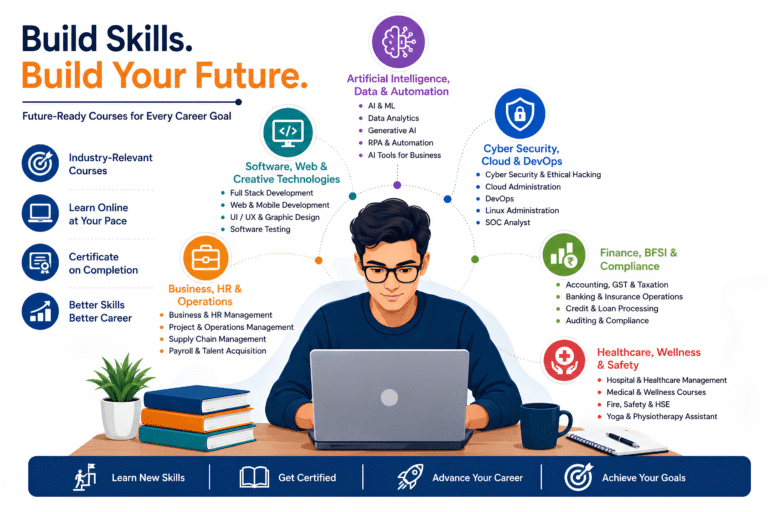
ODLC offers Skill and Vocational Education Programs that focus on practical learning, industry-relevant training, and career-oriented skills. These programs are designed to help learners gain the knowledge and hands-on experience needed for employment, self-employment, and professional growth.
Moreover, vocational and skill-based courses help students develop competencies that match current industry requirements, making them better prepared for the modern job market. Whether learners want to enhance their existing skills or explore new career opportunities, these programs provide flexible and accessible pathways for personal and professional development.
As a result, learners can improve their employability, build specialized expertise, and continue rewarding career opportunities across various sectors.
Paramedical Programs
ODLC also offers paramedical programs that provide foundational knowledge and practical skills related to healthcare and allied medical services. These programs are ideal for learners seeking career opportunities in the healthcare sector and support services.
Eligibility for Open Schooling Admission 2026
Before applying, students should ensure that they meet the required eligibility criteria.
You can add the following section to your blog:
Eligibility Criteria for ODLC Programs
Before applying, learners should ensure that they meet the eligibility requirements for their chosen program.
Eligibility for Secondary Program (Class 10)
A learner can apply if:
- The applicant has completed Class 8 or an equivalent level of education.
- The minimum age requirement is 14 years.
- The applicant can provide the necessary supporting documents.
Additionally, there is no upper age limit, which means learners can continue their education at any stage of life.
Eligibility for Senior Secondary Program (Class 12)
A learner can apply if:
- The applicant has successfully completed Class 10 or an equivalent qualification.
- The minimum age requirement is 16 years.
- The required academic and identity documents are available.
Similarly, there is no upper age limit for admission to the Senior Secondary program.
Eligibility for Early Childhood Care and Education (ECCE)
A learner can apply if:
- The applicant has completed Class 10, Class 12, or an equivalent qualification as specified for the chosen ECCE level.
- The applicant has an interest in child development, preschool education, and early learning.
- The required educational and identity documents are available for verification.
Furthermore, ECCE programs are suitable for aspiring preschool teachers, childcare professionals, and individuals interested in early childhood education.
Eligibility for Skill and Vocational Education Programs
A learner can apply if:
- The applicant meets the minimum educational qualification required for the selected course.
- Depending on the program, eligibility may begin from Class 8, Class 10, or higher qualifications.
- The applicant is interested in acquiring practical and industry-relevant skills.
- The required supporting documents are available.
Moreover, there is generally no upper age limit, making these programs suitable for students, working professionals, homemakers, and individuals seeking career advancement or reskilling opportunities.
Eligibility for Paramedical Programs
A learner can apply if:
- The applicant meets the educational requirements specified for the chosen paramedical course.
- Depending on the certificate, diploma, or advanced diploma program, eligibility may vary.
- The applicant has an interest in healthcare and allied medical services.
- The necessary academic and identity documents are available for verification.
As a result, paramedical programs provide an excellent pathway for learners seeking careers in healthcare support and allied health sectors.
Note: Eligibility requirements for Skill Development, Vocational, ECCE, and Paramedical programs may vary depending on the specific course or specialization selected. Applicants should verify the latest course-specific requirements before applying.
Documents Required for Admission
To complete the admission process, students may need to submit the following documents:
- Passport-size photograph
- Aadhaar Card or other valid identity proof
- Address proof
- Date of Birth proof
- Previous educational certificates and mark sheets
However, document requirements may vary depending on the program and eligibility criteria.
Open Schooling Admission Process 2026
The admission process is simple and student-friendly. Follow these steps to apply.
Step 1: Select the Appropriate Program
First, choose the program that matches your educational qualification.
- Secondary (Class 10)
- Senior Secondary (Class 12)
- Early Childhood Care and Education (ECCE) Programs
- Skill and Vocational Education Programs
- Paramedical Programs
Step 2: Complete the Application Form
Next, fill out the admission form with accurate personal, educational, and contact details.
It is important to ensure that all information is correct to avoid delays during verification.
Step 3: Upload Required Documents
After completing the application, upload the necessary documents for verification.
Make sure that all documents are clear and valid.
Step 4: Verification Process
Once the documents are submitted, they are reviewed to verify eligibility and academic qualifications.
During this stage, applicants may be contacted if additional information is required.
Step 5: Admission Confirmation
After successful verification, the application is processed for approval.
Finally, eligible students receive admission confirmation and can begin their learning journey.
Duration of Open Schooling Programs
One of the biggest advantages of open schooling is flexibility.
Students generally receive sufficient time to complete their studies according to the program guidelines. Therefore, learners can prepare for examinations at a pace that suits their learning needs.
This flexibility is particularly beneficial for working individuals and students managing multiple responsibilities.
Who Should Apply for Open Schooling?
Open schooling is suitable for:
- Students who left school before completing their education
- Working professionals seeking educational qualifications
- Homemakers returning to studies
- Students with personal or family commitments
- Learners preparing for competitive examinations
- Individuals looking for flexible learning options
Furthermore, open schooling provides a valuable opportunity for anyone who wants to improve educational qualifications and career prospects.
Career and Higher Education Opportunities
Completing a program through ODLC can create numerous opportunities for academic advancement, skill development, and career growth. Whether you complete a Secondary, Senior Secondary, ECCE, Paramedical, or Skill and Vocational Education program, you can continue building your qualifications and expanding your professional expertise.
Furthermore, these programs help learners develop the knowledge and skills needed for higher education and employment. As a result, students can explore a variety of educational pathways, professional courses, and career opportunities based on their interests and goals. Consequently, ODLC programs serve as a strong foundation for long-term academic success and professional development.
Opportunities After Secondary (Class 10)
After completing the Secondary Program, learners can:
- Enroll in Senior Secondary (Class 12) programs
- Continue vocational and skill development courses
- Join certificate and diploma programs
- Prepare for various competitive examinations
- Explore entry-level employment opportunities
Opportunities After Senior Secondary (Class 12)
After completing the Senior Secondary Program, learners can:
- Apply for undergraduate degree programs
- Continue diploma and professional courses
- Enroll in vocational and technical education programs
- Prepare for competitive examinations
- Explore employment opportunities in various sectors
Opportunities After ECCE Programs
Learners who complete ECCE programs can:
- Work in preschools and early learning centers
- Support child development and childcare activities
- Continue advanced studies in education and child development
- Explore opportunities in daycare centers and educational institutions
Opportunities After Paramedical Programs
Paramedical programs help learners develop essential healthcare-related knowledge and practical skills. As a result, graduates can explore opportunities in hospitals, clinics, diagnostic centers, laboratories, and various healthcare support services.
Furthermore, these programs provide a strong foundation for pursuing higher-level healthcare and allied medical education. In addition, learners can enhance their professional expertise and improve their employability in the growing healthcare sector. Consequently, paramedical education can open the door to rewarding career opportunities and long-term professional growth.
Opportunities After Skill Development and Vocational Programs
These programs help learners:
- Gain industry-relevant practical skills
- Improve employability and workplace readiness
- Start self-employment or entrepreneurial ventures
- Upgrade existing professional skills
- Access better career opportunities across various industries
Furthermore, ODLC’s flexible learning approach enables learners to continue their education while balancing personal and professional responsibilities. As a result, students can achieve their academic goals, enhance their skills, and create better opportunities for long-term career growth.
Conclusion
Open Schooling Admission 2026 provides a flexible and accessible opportunity for learners who want to continue their education without the limitations of a traditional classroom. Whether you are returning to studies after a gap, managing work and family responsibilities, or seeking a second chance to complete your education, open schooling offers a convenient pathway to achieve your academic and career goals.
Furthermore, its learner-friendly admission process, flexible study options, and inclusive approach make it suitable for students from diverse backgrounds. As a result, learners can continue their education at their own pace while balancing other commitments. Therefore, if you are planning to continue your studies in 2026, exploring the opportunities available through open schooling could be the first step toward a brighter future and greater career success.