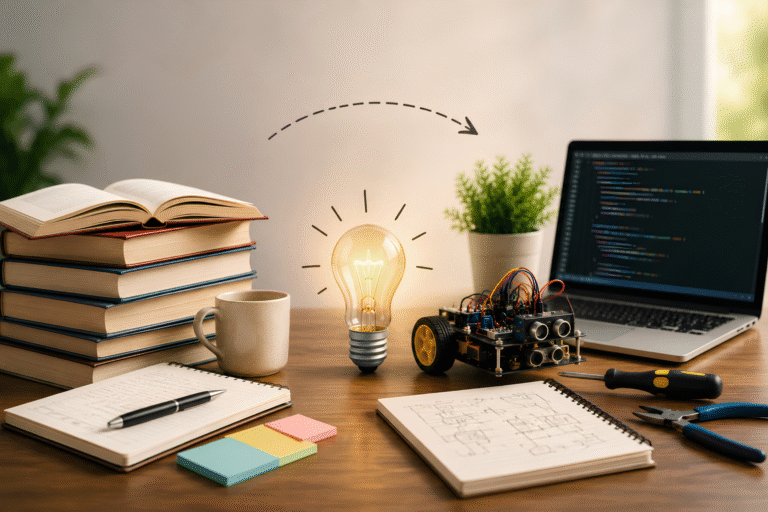






The world of education is undergoing a major transformation. In 2026, it’s no longer enough to simply earn a degree—what truly matters is what you can do. As industries evolve rapidly and technology reshapes the job market, skill-based education is becoming more important than ever.
The Shift from Degrees to Skills
Traditionally, academic degrees were seen as the primary pathway to success. However, employers today are focusing more on practical abilities rather than just theoretical knowledge.
Companies are asking:
-
Can you solve real-world problems?
-
Do you have hands-on experience?
-
Are you adaptable to change?
This shift has made skill-based learning a critical part of modern education.
What is Skill-Based Education?
Skill-based education focuses on developing practical, job-ready abilities. Instead of only studying theory, learners gain hands-on experience through:
-
Real-world projects
-
Internships
-
Vocational training
-
Industry-focused courses
It prepares learners to step directly into the workforce with confidence.
Why It Matters More in 2026
1. Rapid Technological Advancements
Automation, AI, and digital tools are changing how jobs work. Skills like digital literacy, coding, communication, and problem-solving are now essential.
2. Changing Job Market
Many traditional jobs are evolving or disappearing, while new roles are emerging. Skill-based education helps learners stay relevant.
3. Employability Over Qualification
Employers prefer candidates who can perform tasks effectively from day one, reducing training time and costs.
4. Rise of Freelancing and Entrepreneurship
More people are choosing independent careers. Skills such as marketing, design, finance, and communication are key to success.
5. Lifelong Learning is the New Normal
Learning doesn’t stop after school or college. Continuous skill development is necessary to grow in any career.
Benefits for Learners
-
Job Readiness: Be prepared for real work environments
-
Higher Confidence: Practical knowledge builds self-belief
-
Better Opportunities: More chances in diverse industries
-
Flexibility: Skills can be applied across multiple careers
Skill-Based Education in India
India is witnessing a strong push toward skill development through:
-
Vocational training programs
-
Digital learning platforms
-
Government initiatives focused on employability
-
Industry partnerships with educational institutions
This shift is helping bridge the gap between education and employment.
The Role of Schools and Institutions
Educational institutions are now integrating:
-
Skill-based subjects
-
Practical training modules
-
Industry exposure
-
Career-oriented programs
Schools are no longer just centers of academic learning—they are becoming hubs of skill development.
Conclusion
In 2026, skill-based education is not just an advantage—it’s a necessity. It empowers learners to stay relevant, competitive, and prepared for the future.
By focusing on “learning by doing,” individuals can unlock better career opportunities, adapt to change, and build a successful, future-ready life.