





In today’s fast-changing world, education is no longer limited to classrooms or fixed schedules. For many working learners in India—whether they are young professionals, daily wage earners, or individuals managing family responsibilities—traditional schooling often becomes difficult to continue. This is where flexible school-level education plays a crucial role.
The Reality of Working Learners
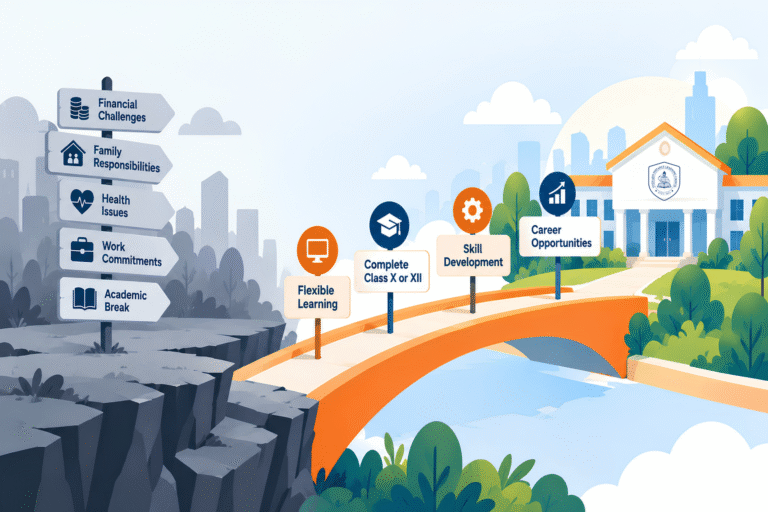
Not everyone has the privilege of attending regular school. Many learners step into work early due to financial needs, personal responsibilities, or life circumstances. However, the desire to complete school education and build a better future remains strong.
Rigid school timings, attendance requirements, and exam structures can make it nearly impossible for such individuals to continue their studies. As a result, many are forced to drop out, limiting their career growth and opportunities.
What is Flexible School-Level Education?
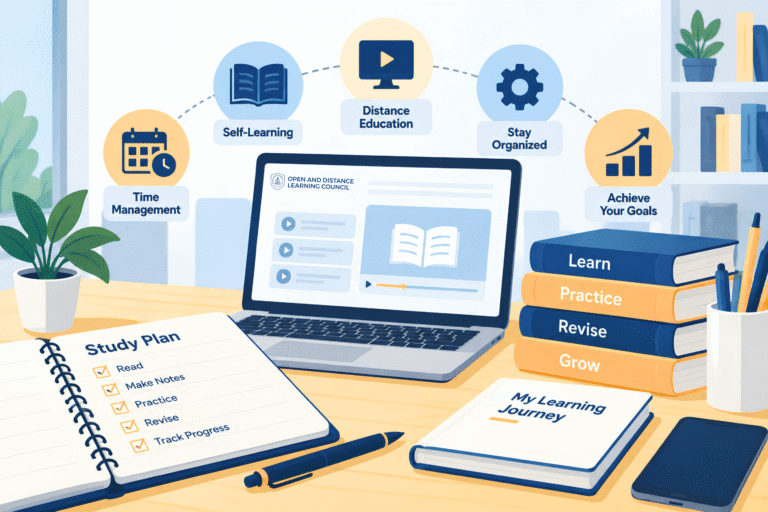
Flexible education allows learners to study at their own pace, time, and convenience. It includes options like:
Online learning
Offline self-study materials
Blended learning (a mix of online and offline)
Open schooling systems
This approach removes the “one-size-fits-all” model and adapts education to fit the learner’s lifestyle.
Key Benefits for Working Learners
1. Learn Without Leaving Work
Flexible education allows individuals to continue earning while studying. There’s no need to choose between education and income.
2. Study at Your Own Pace
Every learner is different. Flexible systems allow students to take more time where needed and move faster when they’re comfortable.
3. Reduced Stress and Pressure
Without strict schedules and daily attendance requirements, learners can manage their time better, leading to less stress.
4. Second Chance at Education
For those who dropped out earlier, flexible education provides an opportunity to restart and complete their schooling.
5. Improved Career Opportunities
Completing Class 10 or 12 opens doors to better jobs, higher education, and skill development programs.
Bridging the Education Gap in India
India has a large population of learners who are unable to access traditional schooling. Flexible education helps bridge this gap by making learning inclusive and accessible to all.
It empowers:
Working youth
Women managing households
Rural learners with limited school access
Individuals who had to discontinue education
The Future of Learning
The demand for flexible education is growing rapidly. With advancements in technology and increasing awareness, more learners are choosing paths that fit their lives rather than adjusting their lives to rigid systems.
Educational institutions are also adapting by offering hybrid models, digital platforms, and personalized learning experiences.
Conclusion
Flexible school-level education is not just an alternative—it is a necessity in today’s India. It ensures that no learner is left behind due to circumstances beyond their control.
By providing freedom, accessibility, and second chances, flexible education empowers working learners to continue their journey, achieve their goals, and build a better future.