




Access to quality education remains one of the biggest challenges for millions of learners across India, especially in rural, tribal, and underserved communities. Geographic barriers, economic limitations, lack of infrastructure, and limited access to skilled educators often prevent students from completing their education.
To address these challenges, ODLC (Open and Distance Learning Centres) is building an inclusive education model that ensures learning opportunities reach every learner, regardless of location, background, or circumstance.
Understanding the Need for Inclusive Education
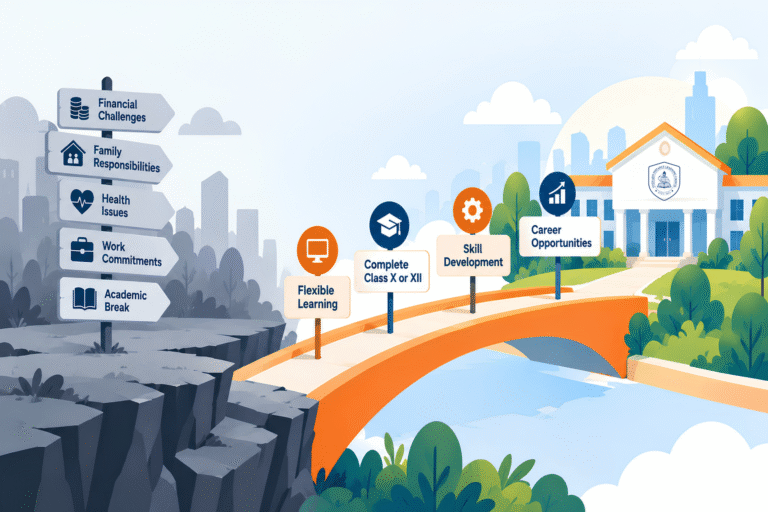
Education is a basic right, yet many learners still face obstacles such as:
-
Schools located far from their communities
-
Financial pressure forcing students to work early
-
Limited transportation and digital access
-
Language and cultural barriers
-
Lack of personalized academic support
These challenges are particularly common in rural villages, tribal regions, and economically weaker communities. Without flexible learning opportunities, many learners are at risk of dropping out permanently.
What Makes ODLC’s Education Model Different?
ODLC focuses on bringing education closer to learners instead of expecting learners to adapt to traditional systems. Its inclusive model is designed to be flexible, accessible, and community-driven.
1. Learning That Reaches Every Community
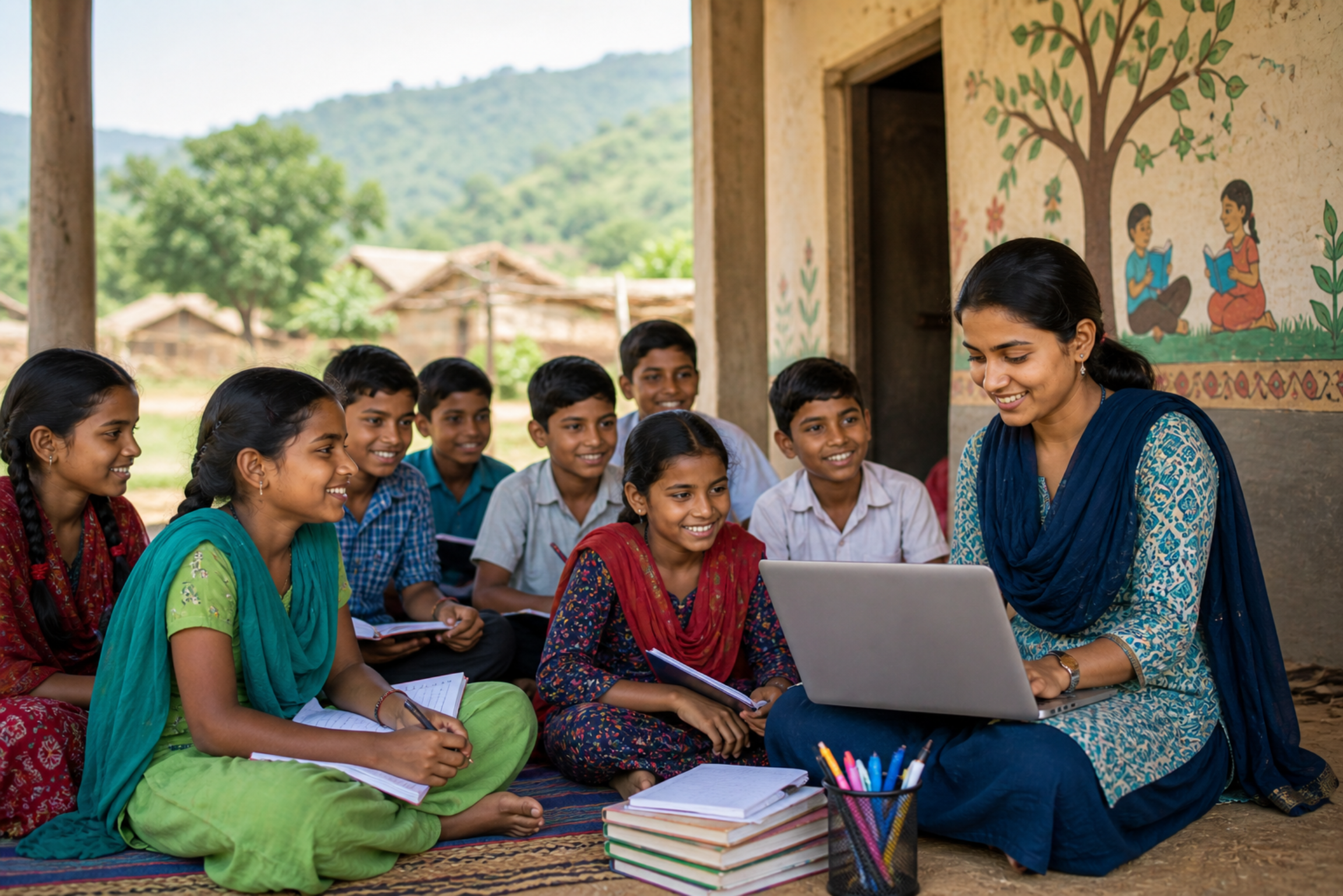
ODLC establishes learning centres in local communities, making education physically accessible even in remote areas.
This reduces:
-
Long travel distances
-
Transportation costs
-
Safety concerns for learners, especially girls
Community-based learning creates familiarity, comfort, and trust.
2. Flexible Learning for Real-Life Challenges
Many learners in underserved communities balance education with family responsibilities, farming, work, or household duties.
ODLC supports flexible learning through:
-
Personalized schedules
-
Self-paced learning modules
-
Blended learning approaches
-
Academic support sessions
This allows learners to continue education without sacrificing their responsibilities.
3. Support for School Dropouts and Second-Chance Learners
Many learners discontinue education due to social or financial circumstances. ODLC provides pathways for them to restart and complete their academic journey.
This includes:
-
Secondary education opportunities
-
Senior secondary education pathways
-
Career guidance and mentorship
ODLC believes education should always offer a second chance.
4. Skill Development Alongside Academics
Education today must go beyond textbooks. ODLC integrates skill-based learning to prepare students for real-world opportunities.
Learners gain exposure to:
-
Digital literacy
-
Communication skills
-
Vocational education
-
Entrepreneurship awareness
-
Industry-relevant training
This improves both employability and confidence.
5. Empowering Women and Marginalized Learners
Girls and women in rural and tribal communities often face additional barriers to education.
ODLC creates safe, supportive learning environments that encourage participation from:
-
Young women
-
First-generation learners
-
Socially marginalized communities
-
Working learners
Inclusive education strengthens families, communities, and future generations.
6. Community and Industry Linkage
ODLC connects learners not only with education but also with future opportunities.
Through partnerships with:
-
Schools
-
NGOs
-
Training institutes
-
Local communities
-
Industry partners
learners gain access to mentorship, career pathways, and skill-building opportunities.
Building the Future Through Inclusive Education
When education becomes accessible, communities transform. Learners gain confidence, families gain hope, and regions gain long-term development.
ODLC’s inclusive education model is not just about delivering education—it is about creating equal opportunities for every learner, regardless of geography, income, or background.
Conclusion
India’s growth depends on reaching learners who have traditionally been left behind. Through flexible learning, local support systems, skill development, and community engagement, ODLC is helping create a future where education truly belongs to everyone.
By empowering rural, tribal, and underserved learners today, ODLC is helping build a stronger, more inclusive tomorrow.