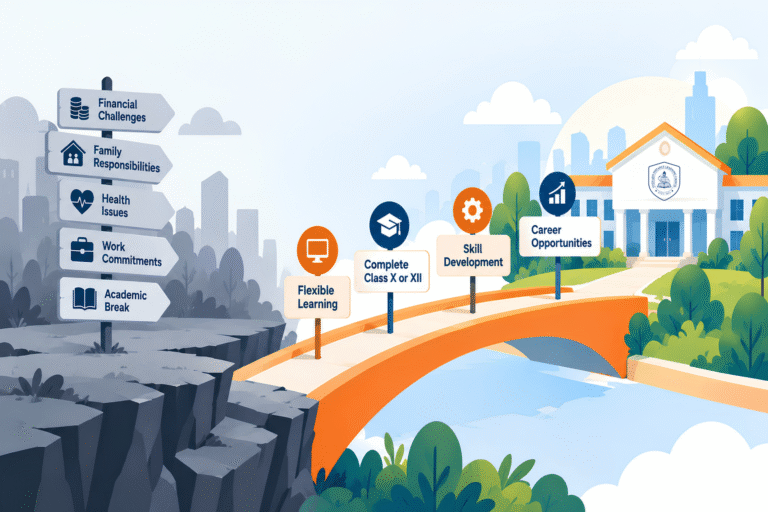





In today’s fast-changing educational landscape, not every student can follow the traditional school system. Some students may have discontinued their studies, while others may need a more flexible learning environment due to personal, professional, or family commitments. Open schooling provides an alternative pathway that allows learners to continue their education without attending regular classrooms every day.
Open schooling is becoming increasingly popular because it offers flexibility, accessibility, and opportunities for learners from diverse backgrounds. Institutions such as the Open and Distance Learning Council (ODLC) support flexible academic pathways, including Secondary (Class X) and Senior Secondary (Class XII) education through open and distance learning models.
What Is Open Schooling?
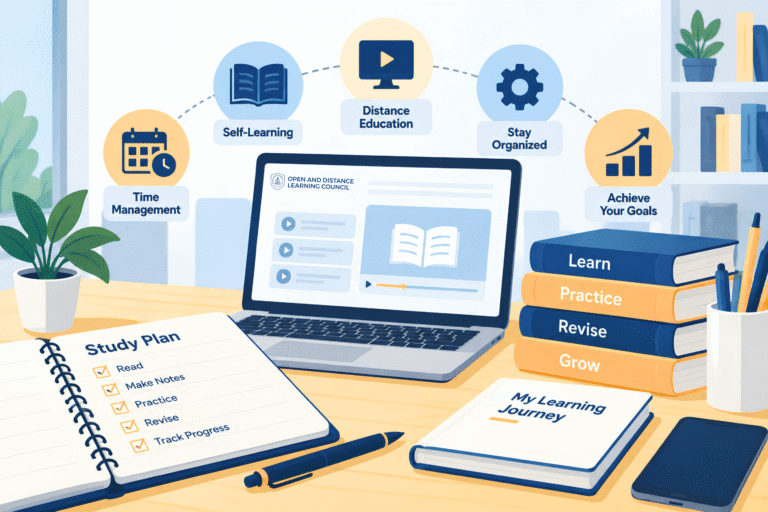
Open schooling is a flexible education system that allows students to complete their school education outside the conventional classroom environment. Instead of attending daily classes, learners can study at their own pace using printed materials, online resources, video lectures, and academic support services.
The primary objective of open schooling is to make education accessible to everyone, regardless of age, location, or personal circumstances. It enables learners to continue their studies while balancing work, family responsibilities, sports, entrepreneurship, or other commitments.
Why Was Open Schooling Introduced?
Traditional education systems often cannot accommodate every learner’s needs. Open schooling was introduced to:
- Reduce educational barriers.
- Support school dropouts in continuing their studies.
- Provide education to working individuals.
- Offer learning opportunities in remote areas.
- Promote lifelong learning.
- Allow students to learn at their own pace.
Who Can Benefit from Open Schooling?
Key Features of Open Schooling
Flexible Learning Schedule
Students can study according to their convenience without the pressure of fixed classroom timings.
Self-Paced Education
Learners can spend more time on difficult subjects and progress faster in areas they understand well.
Accessibility
Educational opportunities become available to learners regardless of geographical location.
Technology-Enabled Learning
Modern open schooling institutions utilize digital platforms, online study materials, video lectures, and cloud-based learning resources.
Affordable Education
Open schooling often reduces expenses related to transportation, uniforms, and daily school attendance.
How Does Open Schooling Work?
The process typically involves:
- Student Registration
- Course Selection
- Access to Study Materials
- Self-Study and Learning
- Academic Support
- Assignments and Assessments
- Examinations
- Certification
Students receive educational resources and complete their studies through distance, blended, or online learning methods.
Advantages of Open Schooling
Flexibility
Students can learn anytime and anywhere.
Continuity of Education
Learners who have faced interruptions can restart their academic journey.
Improved Work-Life Balance
Students can combine education with employment, family responsibilities, or skill development.
Reduced Stress
Self-paced learning minimizes academic pressure.
Career Opportunities
Completing secondary and senior secondary education can open doors to higher education, vocational training, and employment opportunities.
Open Schooling and Skill Development
Modern education goes beyond academic qualifications. Many open learning institutions integrate skill-based and vocational programs alongside academic education.
ODLC offers various vocational and skill-oriented programs designed to improve employability and support career progression through flexible learning pathways. These programs help learners develop practical competencies that are relevant in today’s job market.
Why Parents Should Consider Open Schooling?
Parents often worry that alternative education pathways may not provide adequate academic support. However, open schooling can be an excellent option when:
- A child requires a flexible learning environment.
- Health issues affect regular school attendance.
- The family relocates frequently.
- The student is pursuing sports, arts, or entrepreneurship.
- The learner needs a second chance to complete schooling.
With proper guidance and discipline, open schooling can provide a meaningful educational experience.
How ODLC Supports Open Schooling?
The Open and Distance Learning Council (ODLC) provides flexible academic pathways for learners seeking alternative education options. Its programs include Secondary (Class X) and Senior Secondary (Class XII) levels, supported through open, distance, blended, and technology-enabled learning models. ODLC also offers vocational and skill development programs aimed at enhancing employability and lifelong learning opportunities.
ODLC’s learner-centric approach focuses on accessibility, flexibility, digital learning, and competency development, helping students continue their educational journey regardless of their circumstances.
Conclusion
Open schooling is more than just an alternative to traditional education—it is a flexible and inclusive learning system that empowers students to achieve their academic goals regardless of age, location, or personal circumstances. By offering self-paced learning, accessible study resources, and opportunities for continuous education, open schooling ensures that no learner is left behind.
For students who require flexibility due to work, family responsibilities, health concerns, sports, or other commitments, open schooling provides a practical pathway to complete their Secondary (Class X) and Senior Secondary (Class XII) education. It also encourages lifelong learning and skill development, helping learners prepare for higher education, employment, and personal growth.
As education continues to evolve in the digital era, open schooling is playing a vital role in making quality education accessible to all. With organizations like ODLC supporting learner-centric, technology-enabled, and flexible educational models, students can confidently pursue their academic aspirations and build a brighter future on their own terms.