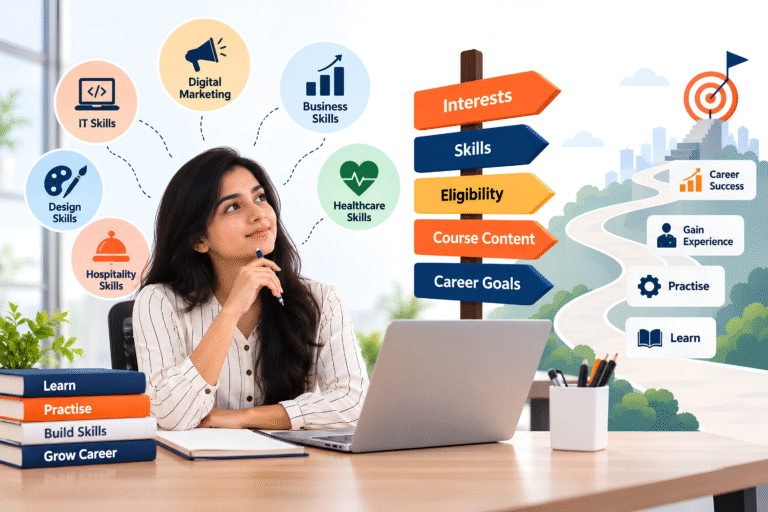






Learning has changed over the years. Today, education is more flexible and accessible than ever before. Self-learning allows people to study at their own pace and achieve their goals without giving up their personal or professional responsibilities.
At the Open and Distance Learning Council (ODLC), learners receive the support they need to succeed through flexible education and structured learning opportunities. This approach helps students, working professionals, entrepreneurs, and lifelong learners continue their education while balancing other commitments. As they progress, they build confidence, develop new skills, and become more independent.
Self-learning is more than a way to study. It is a lifelong skill that helps people grow both personally and professionally.
Why Self-Learning Matters More Than Ever
In today’s fast-changing world, learning never stops. New technologies, evolving industries, and changing career demands make it important for individuals to keep learning and developing new skills. This is why self-learning has become an essential part of personal and professional growth.
Self-learning encourages learners to take responsibility for their education. Instead of depending entirely on traditional classroom instruction, they actively explore new ideas, build knowledge, and learn at their own pace. As they achieve their learning goals, their confidence continues to grow.
In addition, self-learning helps individuals become more adaptable and independent. They learn how to manage challenges, find solutions, and stay motivated even when learning something new. These qualities not only support academic success but also prepare learners for lifelong learning and future career opportunities.
How Self-Learning Develops Independence
Better Decision-Making
Self-learning gives learners the freedom to make choices about their education. They decide when to study, set their own learning goals, and choose the methods that help them understand concepts more effectively.
Making these decisions regularly helps learners become more responsible and confident. They learn to plan ahead, stay committed to their goals, and take ownership of their progress.
Over time, these decision-making skills extend beyond academics. Learners become better at handling everyday challenges, making informed choices, and adapting to new situations in both their personal and professional lives.
Improved Time Management
One of the biggest advantages of self-learning is the ability to manage time effectively. Learners have the freedom to create study schedules that fit their daily routines, making it easier to balance education with work, family, or other responsibilities.
By setting their own learning goals and following a consistent study plan, learners develop discipline and better organizational skills. They also learn to prioritize tasks, stay focused, and complete their studies on time.
These time management skills not only support academic success but also prepare learners for professional and personal responsibilities. As a result, they become more productive, organized, and confident in managing different aspects of their lives.
Enhanced Problem-Solving Skills
One of the greatest benefits of self-learning is the ability to solve problems independently. Instead of relying on others for every answer, learners develop the habit of exploring different resources, asking questions, and finding solutions on their own.
As they work through new concepts and real-world challenges, they improve their critical thinking and decision-making skills. Each problem they solve increases their confidence and prepares them to handle more complex situations in the future.
These problem-solving abilities are valuable not only in academics but also in the workplace, where employers look for individuals who can think independently, adapt quickly, and overcome challenges with confidence.
Building Confidence Through Every Learning Milestone
Confidence does not appear overnight. Rather, it grows gradually through consistent learning experiences.
Every completed lesson, assignment, assessment, or certification reinforces the learner’s belief in their own abilities. Over time, these achievements create a positive cycle:
- Learn independently
- Complete goals successfully
- Build confidence
- Take on greater challenges
- Achieve even bigger goals
This continuous progress motivates learners to pursue higher education, professional certifications, and career advancement with greater confidence.
How Flexible Learning Supports Personal Growth
Personal growth begins with continuous learning, and flexibility makes that journey easier. Self-learning allows individuals to study without interrupting their careers, family responsibilities, or personal commitments. As a result, learners can continue improving their knowledge while maintaining a healthy balance in their daily lives.
Flexible learning also encourages learners to take ownership of their education. They can choose when and how they study, set realistic goals, and progress at a pace that suits their learning style. This approach builds discipline, confidence, and a strong sense of responsibility over time.
At ODLC, flexible learning is designed to make quality education accessible to everyone. Through structured academic and vocational programmes, learners can gain valuable knowledge and practical skills in a supportive learning environment. This learner-focused approach helps individuals stay motivated, achieve their educational goals, and continue growing both personally and professionally.
How ODLC Supports Self-Learning
At the Open and Distance Learning Council (ODLC), self-learning is supported through a flexible and learner-focused approach to education. The goal is to help learners continue their studies without disrupting their work, business, or personal commitments.
ODLC offers well-structured academic and vocational programmes that encourage learners to study at their own pace. With access to digital learning resources and a clear learning framework, students can build knowledge step by step while maintaining flexibility in their schedules.
In addition, learners benefit from competency-based education that focuses on practical skills and real-world applications. This approach not only improves understanding but also helps learners apply what they learn with confidence.
Whether someone is a student, a working professional, an entrepreneur, or a lifelong learner, ODLC provides an inclusive learning environment that supports continuous education and personal growth. By combining flexibility with quality education, ODLC empowers learners to become confident, independent, and prepared for future academic and career opportunities.
Benefits of Self-Learning
Self-learning offers many benefits that go beyond earning qualifications. It helps learners build valuable life skills that support both personal and professional success.
Builds Confidence
Every completed lesson and achieved goal increases a learner’s confidence. Over time, this confidence encourages them to take on bigger challenges and continue learning.
Develops Independence
Self-learning teaches learners to take responsibility for their education. They learn to make decisions, manage their progress, and achieve goals through their own efforts.
Improves Time Management
By planning their own study schedules, learners develop better organizational skills and learn how to balance education with work, family, and other responsibilities.
Strengthens Critical Thinking
Self-learning encourages learners to explore ideas, ask questions, and find solutions independently. This improves their ability to think critically and solve problems effectively.
Supports Career Growth
Continuous learning helps individuals stay updated with new knowledge and skills. As a result, they become better prepared for career opportunities and changing industry demands.
Encourages Lifelong Learning
Perhaps the greatest benefit of self-learning is the habit of continuous improvement. Learners develop a positive attitude toward learning, helping them grow throughout their personal and professional lives.
Final Thoughts
Self-learning is more than a method of education—it is a mindset that encourages continuous growth and lifelong learning. It helps learners become more confident, responsible, and independent while preparing them to adapt to new challenges and opportunities.
With the support of the Open and Distance Learning Council (ODLC), learners can pursue quality education in a way that fits their unique goals and lifestyles. By offering flexible learning pathways, practical knowledge, and a learner-focused approach, ODLC empowers individuals to take charge of their educational journey.
As learners continue to build new skills and expand their knowledge, they also develop the confidence to achieve academic success, advance their careers, and grow both personally and professionally. Self-learning is not just about earning qualifications—it is about creating a strong foundation for a brighter and more successful future.