




Choosing the right education can shape a learner’s future. Today, however, a qualification alone may not be enough. Employers also look for practical knowledge, relevant skills, and the ability to adapt. Therefore, career-oriented education has become an important part of modern learning.
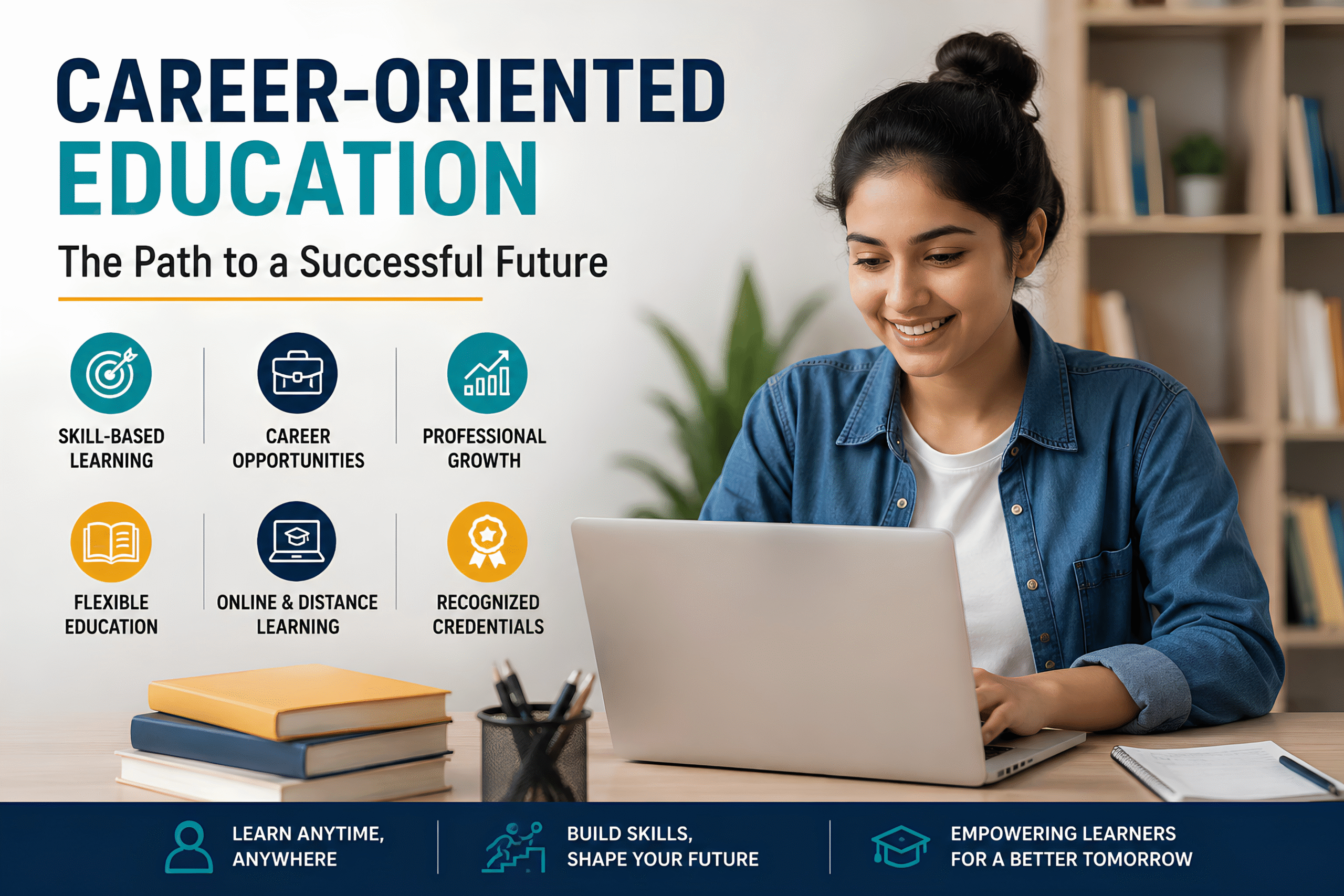
Unlike traditional education that may focus mainly on academic knowledge, career-oriented education connects learning with real-world skills. It helps learners understand how their knowledge can be used in the workplace. As a result, students can prepare for career opportunities while continuing their academic journey.
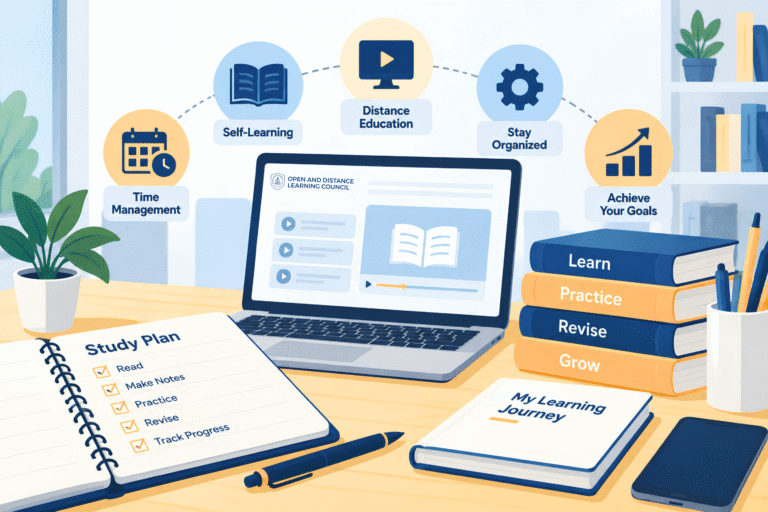
At the Open and Distance Learning Council (ODLC), skill development and vocational education form an important part of its educational approach. ODLC supports academic, vocational, and competency-based learning through open, distance, blended, and technology-enabled systems.
What Is Career-Oriented Education?
Career-oriented education is an approach that connects education with career goals. It focuses on knowledge and skills that learners can use in real work situations.
For example, learners may develop skills in areas such as:
- Information Technology
- Digital Marketing
- Management
- Healthcare
- Education
- Accounting
- Graphic Design
- Other vocational and technical fields
The exact skills needed can vary by industry. Therefore, learners should choose programs that match their interests and career plans.
Moreover, career-oriented education does not mean that academic learning is less important. Instead, it combines academic knowledge with practical skills. This combination can help learners become better prepared for further education and employment.
Why Is Career-Oriented Education Important?
The job market is changing quickly. New technologies are creating new roles, while existing jobs are also changing. Consequently, learners need to keep developing their skills.
1. Career-Oriented Education Builds Practical Skills
One of the biggest benefits of career-oriented education is its focus on practical learning.
Academic knowledge provides a strong foundation. However, learners also need to know how to apply that knowledge. Skill-based education helps bridge this gap.
For instance, a learner studying a digital field can gain knowledge of tools and workplace practices. As a result, the learner can build skills that are more closely connected to career needs.
2. Career-Oriented Education Supports Employability
Employers often look for people who can contribute to their workplace. Therefore, practical skills can make a learner’s profile stronger.
Career-oriented programs help learners understand the skills used in different industries. Furthermore, continuous skill development can help them respond to changes in the workplace.
However, a course or certificate does not guarantee a job. Employment depends on several factors, including the learner’s skills, experience, performance, and the requirements of the employer.
3. It Encourages Lifelong Learning
Learning does not stop after school or college. In today’s world, professionals may need to learn new tools and methods throughout their careers.
Therefore, career-oriented education supports lifelong learning. Learners can continue to improve their skills as their career goals change.
This approach is especially useful for working professionals and other learners who need flexible education options.
Career-Oriented Education at ODLC
ODLC places a strong focus on skill and vocational education. According to its official information, skill and vocational education are an integral part of its educational initiatives. ODLC aims to help learners develop industry-relevant competencies through accessible learning pathways.
Moreover, ODLC supports learning through open, distance, blended, and technology-enabled models. This allows learners to pursue education in a way that can fit their individual circumstances.
The approach focuses on more than completing a course. Instead, it aims to help learners develop competencies that can support academic and career progression.
How ODLC Supports Career-Oriented Education
ODLC’s approach combines flexibility, skill development, and competency-based learning. As a result, learners can work toward their academic and professional goals through different pathways.
Flexible Learning Options
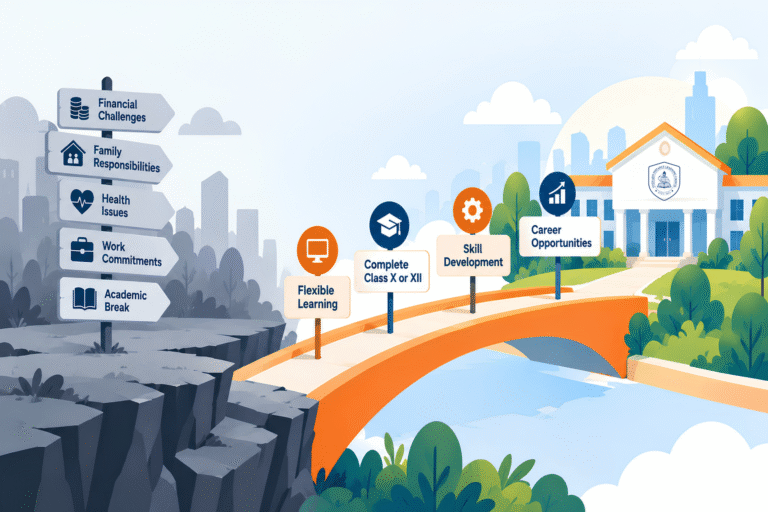
Not every learner can follow a fixed classroom schedule. Some students may have work, family duties, or other commitments.
Therefore, flexible learning can make education more accessible. ODLC supports open, distance, blended, and technology-enabled learning systems.
This model allows learners to continue their education while managing other responsibilities.
Vocational and Skill Development
ODLC gives importance to vocational and skill-based education. Its vocational programs are designed around job-relevant competencies and skill progression.
Furthermore, ODLC states that its vocational learning model can include theory, practical or workshop learning, and internship or project components, depending on the program.
As a result, learners can gain both knowledge and practical exposure.
Competency-Based Learning
Knowledge is important. However, being able to demonstrate a skill is also valuable.
ODLC supports competency assessment and skill validation frameworks. These frameworks can help recognize learning and experience gained through work, training, or non-traditional learning routes.
Therefore, competency-based learning can give learners a clearer way to demonstrate what they know and can do.
Digital Credentials and Verification
In the digital age, secure records are becoming more important. ODLC uses digitally generated certificates and records along with verification systems.
In addition, its vocational programs include digitally authenticated, QR-coded certificates for verification, according to the ODLC vocational program information.
This technology can make credential verification easier and more transparent.
Who Can Benefit From Career-Oriented Education?
Career-oriented education can benefit learners at different stages.
Students
Students can start developing career-related skills while continuing their education. Therefore, they can gain a better understanding of the skills needed in their chosen field.
Working Professionals
Working professionals can use flexible learning options to develop new skills. Moreover, they can continue learning without necessarily leaving their current responsibilities.
Career Changers
People planning a career change may need new knowledge and skills. Career-focused programs can provide a structured way to begin that learning journey.
Lifelong Learners
Learning is a continuous process. Therefore, anyone who wants to improve their skills can benefit from career-oriented learning.
Career-Oriented Education and the Future of Work
The workplace is becoming more skill-focused. Technology is changing how people work, communicate, and solve problems. Consequently, learners need to remain adaptable.
Career-oriented education can help meet this need by connecting learning with practical skills. At the same time, flexible education allows learners to continue developing those skills over time.
ODLC’s focus on vocational education, competency-based learning, and flexible delivery reflects this changing approach to education.
However, learners should always consider their own goals before choosing a program. They should review the course content, learning mode, assessment method, and the requirements of their intended employer or further-study institution.
Why Choose a Career-Oriented Learning Path?
A career-focused learning path can offer several advantages:
- Practical learning: Focuses on skills that can be applied in real situations.
- Flexible education: Helps learners study while managing other responsibilities.
- Skill development: Supports continuous improvement.
- Career planning: Helps learners connect education with career goals.
- Lifelong learning: Makes it easier to keep learning as industries change.
- Competency development: Focuses on what learners can demonstrate, not only what they study.
Therefore, career-oriented education can be a useful part of a learner’s long-term education plan.
Conclusion
Education is changing. Today, learners need more than academic knowledge. They also need practical skills, adaptability, and a clear understanding of their career goals.
That is why career-oriented education is becoming increasingly important. It connects learning with practical skills and helps learners prepare for a changing world of work.
ODLC supports this approach through academic pathways, vocational and skill development, competency-based learning, and flexible open, distance, blended, and technology-enabled education.
Ultimately, successful careers are built through continuous learning and skill development. By choosing an education pathway that matches their goals, learners can take meaningful steps toward a confident and successful future.