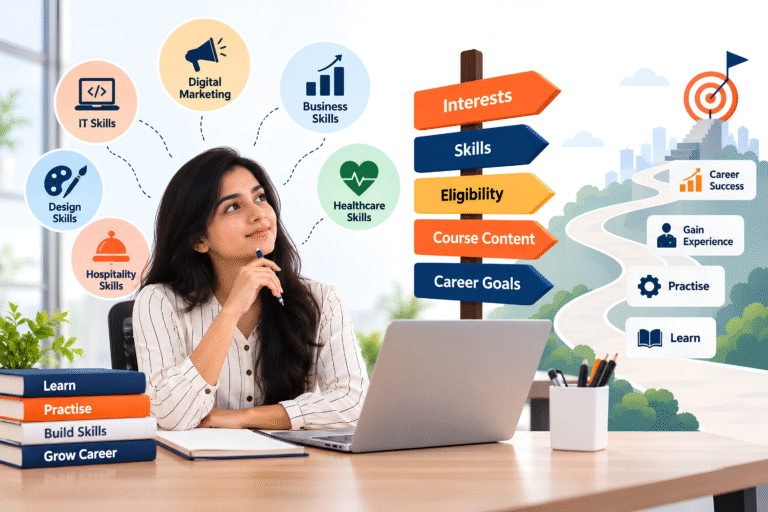





The workplace is becoming more digital every year. As a result, graduates need more than academic knowledge to prepare for modern careers. They also need practical digital skills that help them work with technology, communicate online, solve problems, and learn new tools.
Today, digital skills are useful across many industries. A graduate may work in business, education, healthcare, marketing, finance, technology, or another field. In each case, basic technology skills can make daily tasks easier and improve workplace efficiency.
Therefore, developing digital skills before or after graduation can be a valuable step toward career growth.
What Are Digital Skills?
Digital skills are the abilities needed to use digital devices, software, online platforms, and technology effectively.
These skills can range from basic computer use to advanced areas such as data analysis, web development, cybersecurity, artificial intelligence, and digital marketing.
For graduates, some of the most useful digital skills include:
- Digital literacy
- Office and productivity tools
- Online communication
- Data and analytical skills
- Digital marketing
- Web development
- Cybersecurity awareness
- Artificial intelligence awareness
- Problem-solving with digital tools
- Online collaboration
However, graduates do not need to master every technology. Instead, they should choose skills that match their career interests and industry.
Why Digital Skills Matter for Graduates
Technology is now part of many everyday work activities. Employees may use online communication tools, spreadsheets, cloud platforms, databases, design software, or industry-specific applications.
Therefore, graduates who are comfortable with technology may find it easier to adapt to workplace tasks.
Digital Skills Improve Workplace Readiness
A graduate may have strong academic knowledge. However, employers may also expect candidates to perform practical tasks.
For example, a business graduate may need spreadsheet and presentation skills. Similarly, a marketing graduate may benefit from knowledge of social media, analytics, and digital content.
As a result, digital skills can help graduates connect academic knowledge with practical work.
Digital Skills Support Career Growth
Learning should not stop after graduation. Instead, professionals need to keep updating their skills as technology changes.
Therefore, developing digital skills can support continuous learning. It can also help professionals explore new responsibilities and career paths.
7 Digital Skills Every Graduate Should Develop
1. Digital Literacy
Digital literacy is the foundation of modern technology use. It includes knowing how to use computers, smartphones, browsers, online platforms, files, and basic software.
Graduates should also understand basic online safety. For example, they should know how to create strong passwords, recognize suspicious messages, and protect personal information.
Therefore, digital literacy is a useful starting point for almost every career.
2. Productivity and Office Skills
Many workplaces depend on documents, spreadsheets, presentations, and email.
As a result, graduates should become comfortable with common productivity tools. They should know how to create documents, organize information, prepare presentations, and work with basic spreadsheets.
These skills may appear simple. However, they can save time and improve everyday workplace performance.
3. Digital Communication and Collaboration
Modern teams often communicate through digital platforms. Employees may attend online meetings, share files, send professional emails, and work together on cloud-based documents.
Therefore, graduates should learn how to communicate clearly in digital environments.
Good digital communication includes writing professional emails, participating in online meetings, sharing information clearly, and respecting workplace communication practices.
4. Data and Analytical Skills
Data is becoming important across many industries. Businesses use data to understand customers, measure performance, and make decisions.
Consequently, graduates can benefit from basic data skills. These may include organizing information, reading charts, understanding simple metrics, and using spreadsheets.
Learners who are interested in technology or business can later develop more advanced skills in data analysis.
5. Digital Marketing Skills
Digital marketing is useful for businesses of all sizes. It includes areas such as search engine optimization, social media, content, online advertising, and analytics.
Therefore, graduates interested in marketing, business, communication, or entrepreneurship can benefit from digital marketing skills.
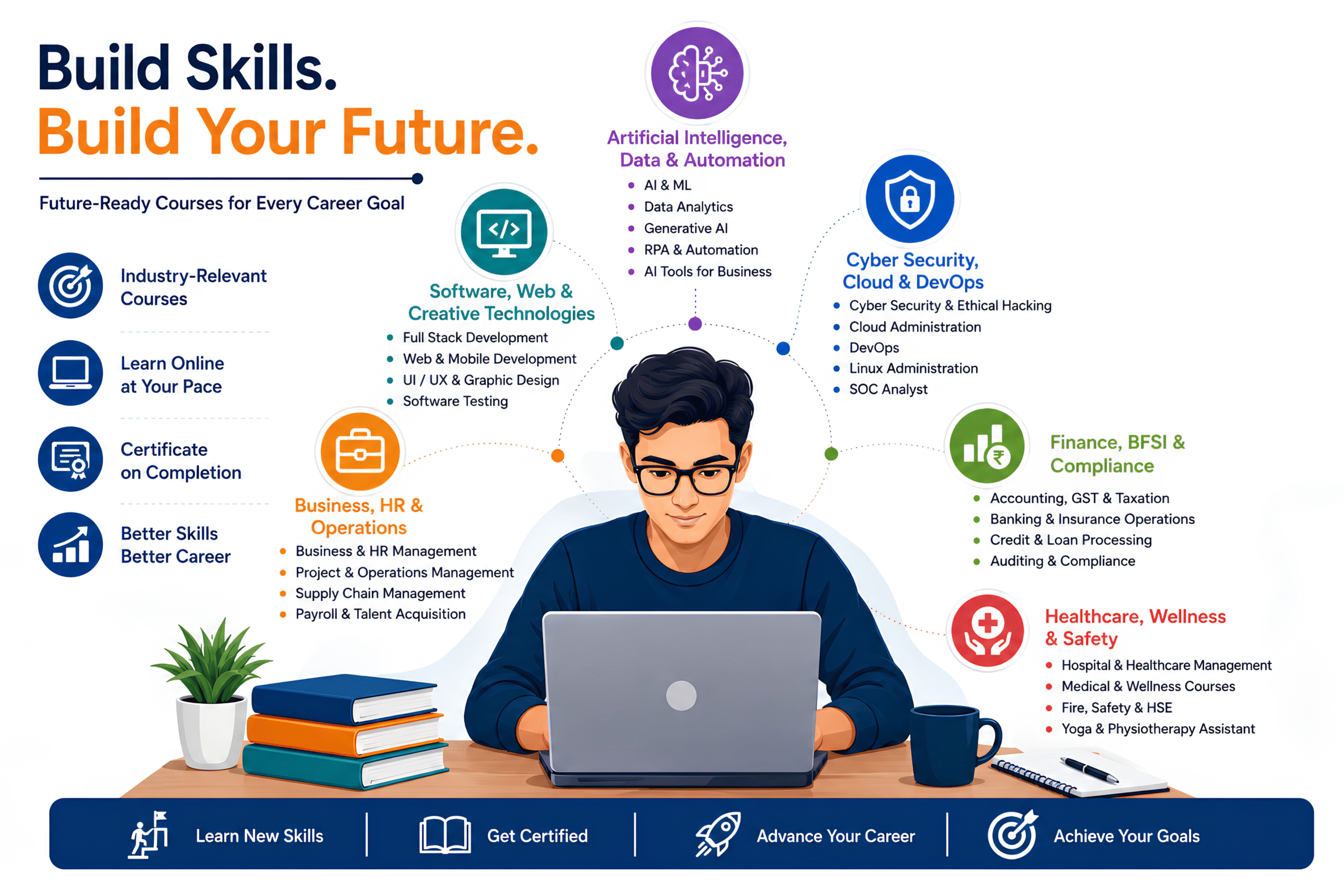
ODLC currently lists Digital Marketing & Analytics among its international vocational skill programmes, with learning areas that include SEO, social media, analytics, and branding.
6. Web and Technical Skills
Basic technical knowledge can create additional career opportunities. Depending on their interests, graduates can learn web design, coding, application development, or other technology skills.
For example, ODLC’s current vocational programme list includes Web & Mobile Application Development, covering areas such as HTML, JavaScript, React, Flutter, and UI/UX.
Therefore, learners interested in technology can choose a more specialized digital pathway.
7. AI and Cybersecurity Awareness
Artificial intelligence is changing how many people work. At the same time, digital security is becoming increasingly important.
Graduates do not necessarily need advanced AI or cybersecurity expertise. However, understanding basic concepts can help them use technology responsibly.
For example, learners can develop awareness of AI tools, data privacy, online security, and safe digital practices.
ODLC’s current vocational programmes include areas such as Cyber Security & Ethical Hacking Fundamentals, alongside digital technology and data-related programmes.
Digital Skills and Career-Oriented Education
Digital skills work best when they are connected to a clear career goal.
For instance, a student interested in marketing can learn digital marketing and analytics. Someone interested in technology can explore web or mobile development. Likewise, a learner interested in business can combine digital tools with management and communication skills.
Therefore, career-oriented education can help learners choose skills based on their interests and future plans.
This approach also reflects the growing importance of combining academic knowledge with practical learning.
How ODLC Supports Digital Skill Development
The Open and Distance Learning Council (ODLC) focuses on academic education, vocational skills, and competency-based learning through open, distance, blended, and technology-enabled systems.
This approach gives learners different ways to develop both knowledge and practical abilities.
ODLC’s current skill and vocational programmes include digital areas such as digital marketing, web and mobile application development, and cybersecurity.
Flexible Digital Learning by ODLC
Not every learner can follow a traditional classroom schedule. Students may also have work, family responsibilities, or other commitments.
Therefore, flexible learning can make skill development easier to access.
ODLC supports open, distance, blended, and technology-enabled learning. Its website also highlights digital access to learning resources, academic guidance, and certification support.
As a result, learners can continue developing their skills while managing other responsibilities.
Practical Digital Skills by ODLC
Learning technology is more useful when learners can apply it.
ODLC’s vocational model combines theory with practical or workshop learning. Depending on the programme, it can also include internship or project components. Assessment may include written examinations, skill demonstrations, and internship evaluation.
Therefore, learners can develop knowledge while also focusing on practical application.
Competency-Based Digital Learning
Knowing a concept is useful. Being able to demonstrate it is even more important in many work settings.
ODLC supports competency assessment and skill validation frameworks. These frameworks focus on recognizing learning and skills gained through education, training, work, or other learning routes.
Consequently, competency-based learning can help learners focus on what they can actually demonstrate.
How Graduates Can Build Digital Skills
Building digital skills does not require learning everything at once. Instead, graduates can follow a simple process.
First, identify the digital skills commonly used in the career you want to pursue. Next, choose a suitable course or learning pathway. Then, practise what you learn through projects and real-world tasks.
In addition, graduates can:
- Create a portfolio of digital work.
- Practise using relevant software.
- Take part in projects.
- Learn from online resources.
- Follow changes in their industry.
- Update their skills regularly.
Most importantly, focus on useful skills rather than collecting certificates alone.
Digital Skills Can Complement Academic Education
A degree and digital skills do not have to be separate choices.
Instead, they can work together.
Academic education can provide subject knowledge and a strong foundation. Meanwhile, digital skills can help learners apply that knowledge using modern tools and methods.
For example, a commerce graduate can develop data and spreadsheet skills. A business graduate can learn digital marketing. An education graduate can develop digital teaching skills.
Therefore, combining academic knowledge with relevant digital skills can create a stronger learning profile.
The Future of Digital Skills
Technology will continue to change. New tools and job roles will emerge, while existing roles will also evolve.
Because of this, the most important digital skill may be the ability to keep learning.
Graduates who remain curious and adaptable can continue developing their skills as technology changes. Furthermore, learning new tools can help professionals respond to changing workplace needs.
ODLC’s focus on skill development, vocational education, competency-based learning, and technology-enabled education reflects this wider shift toward flexible and practical learning.
Conclusion
Academic qualifications remain important. However, graduates also need practical skills to prepare for today’s changing workplace.
Digital skills can help graduates use technology, communicate effectively, work with data, solve problems, and adapt to new tools. Moreover, these skills can complement academic education and support long-term learning.
ODLC supports this approach through vocational and skill-based programmes, flexible learning models, practical training, and competency-focused education. Its current digital programmes include areas such as digital marketing, web and mobile application development, and cybersecurity.
Ultimately, the goal is not to learn every new technology. Instead, graduates should identify the digital skills that match their career goals and continue building them over time.
The right digital skills can turn academic knowledge into practical career capability.